
The best things to do in Mallorca
This is an editorial selection of places to see in Mallorca, not an official ranking. The list starts in Palma, moves up into the Sóller and Valldemossa area, then covers the caves, the coast and the north and south-east. Each entry gives the adult price for 2026 where one exists, and the hours or rules that decide whether your visit works.
Distances on the island are short on the map and slower on the road, so group sightseeing in Mallorca by area. For the places with their own guides, follow the links. For beaches in general, see the beaches page.
Palma and the Sóller railway
Experiences 1 to 6: the capital and the train to the mountains.
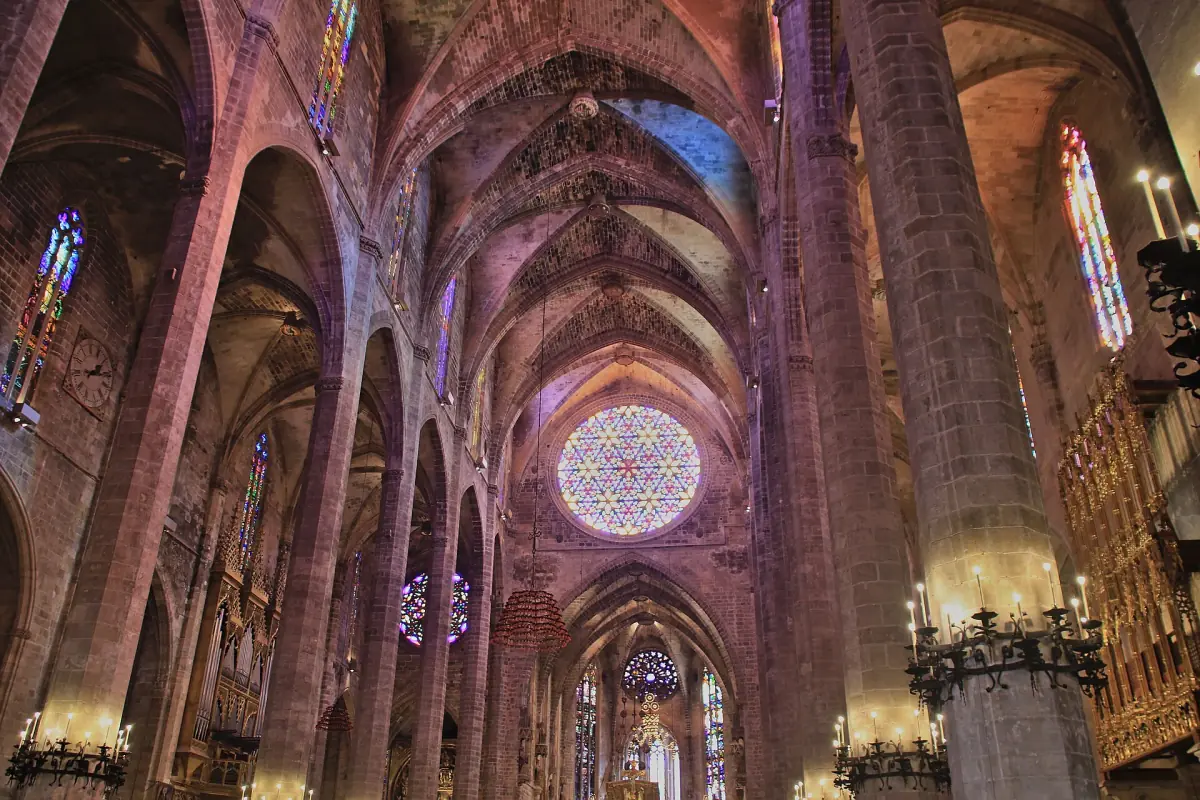
1. La Seu, the cathedral of Palma
The cathedral with the diocesan museum costs €11 for adults, €9 for visitors over 65 and €8 with proof of student or similar status. Children up to 8 and Balearic residents get free or reduced entry under the cathedral's conditions. From April to November visits run Monday to Friday from 10:00 to 17:15 and on Saturday from 10:00 to 14:15. From December to March Monday to Friday closes at 15:15. It is closed to visitors on Sunday. The terrace tour costs €25 and runs from March to November; check the age rule when you book.
Palma guide →2. Castell de Bellver
A castle with a round courtyard above the city, with views over the bay. General entry costs €4 in 2026; check the price before you go. From April to September it opens Tuesday to Saturday from 10:00 to 19:00, from October to March from 10:00 to 18:00. On Sundays and holidays it opens from 10:00 to 15:00, and it is closed on Monday. Buses 4, 20 and 46 serve the area.
3. Palau de l'Almudaina
The royal palace sits opposite the cathedral. Entry is €8, or €5 for ages 5 to 16, over 65 and students up to 25; under 5 is free. Booking online adds €0.77 per ticket. It opens Tuesday to Sunday, 10:00 to 18:00 from October to March and 10:00 to 19:00 from April to September, with last entry one hour earlier. New visitor rooms opened in July 2026.
4. The old town of Palma
Plaça Major, the church of Santa Eulàlia, the historic courtyards and La Llotja are all within walking distance of the cathedral. The tourism portal lists entry to La Llotja as free. Opening hours of the courtyards and churches vary, so treat the old town as a walk, not a timetable.
5. The Sóller train
A historic train takes 60 minutes from Palma to Sóller. A single costs €23 and a return €30 in 2026. The timetable shown by the operator lists departures from Palma from 10:10, and the schedule can change with the season, so check it before you go.
Sóller train guide →6. The tram to Port de Sóller
The tram links Sóller with the harbour and costs €10 each way, sold on board. A combined train and tram return from Palma to Port de Sóller costs €40. The first tram leaves Sóller at 8:00 and the last listed trip at 20:35; from the port the first is 8:30 and the last 21:05.
Our picks: things to do
The cathedral in Palma, the Caves of Drach and the coast at Sa Calobra.
Hand-picked tours, booked through GetYourGuide. Prices are indicative starting prices in euros (as of October 2026). Tap a tour for live availability and the current price in your currency.
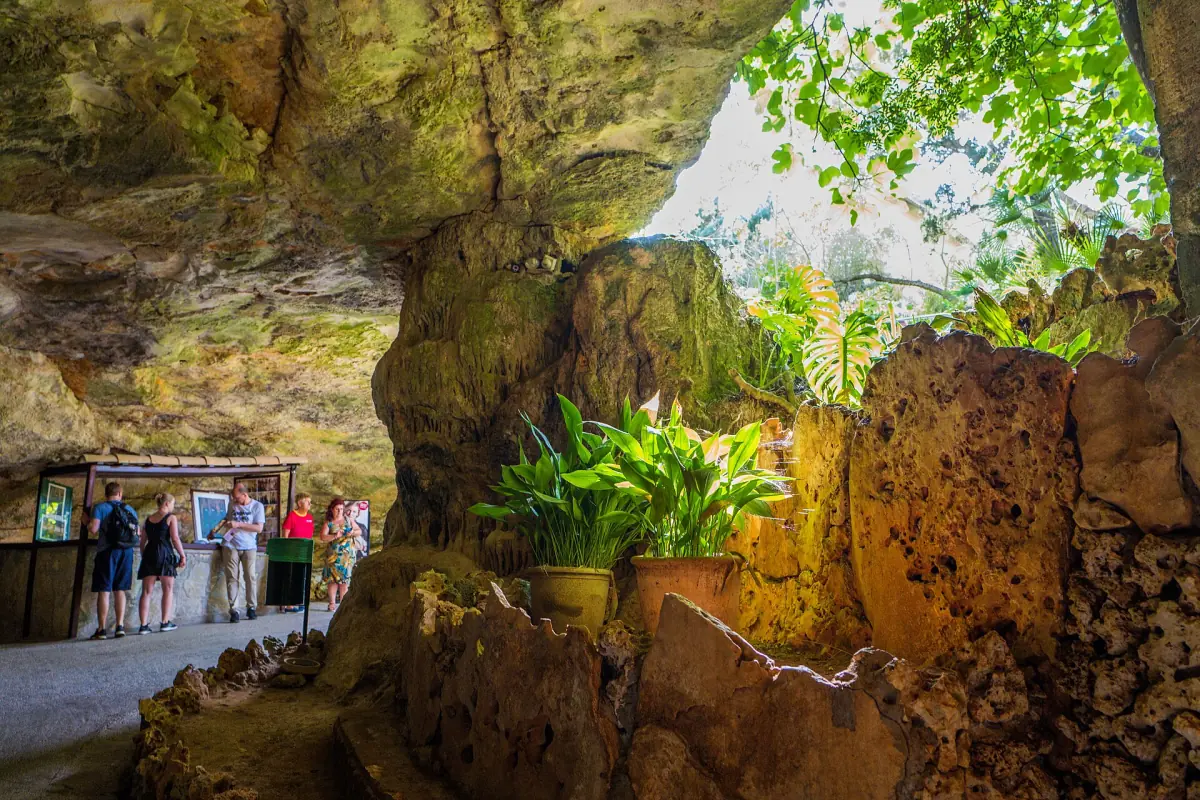
Caves of Drach by coach from the north
Coach, cave entry with a concert and the option of a boat ride, a pearl factory stop and travel insurance. The Porto Cristo tour is only part of the full-day option.
Check availability →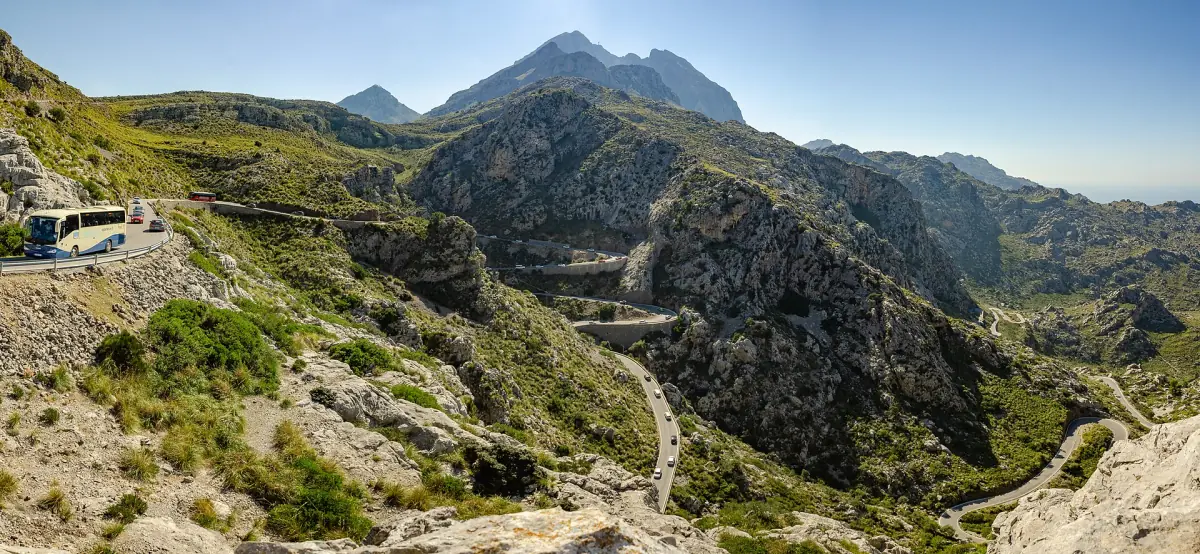
Boat trip from Sóller to Sa Calobra
The boat trip and free time in Sa Calobra, at the mouth of the Torrent de Pareis.
Check availability →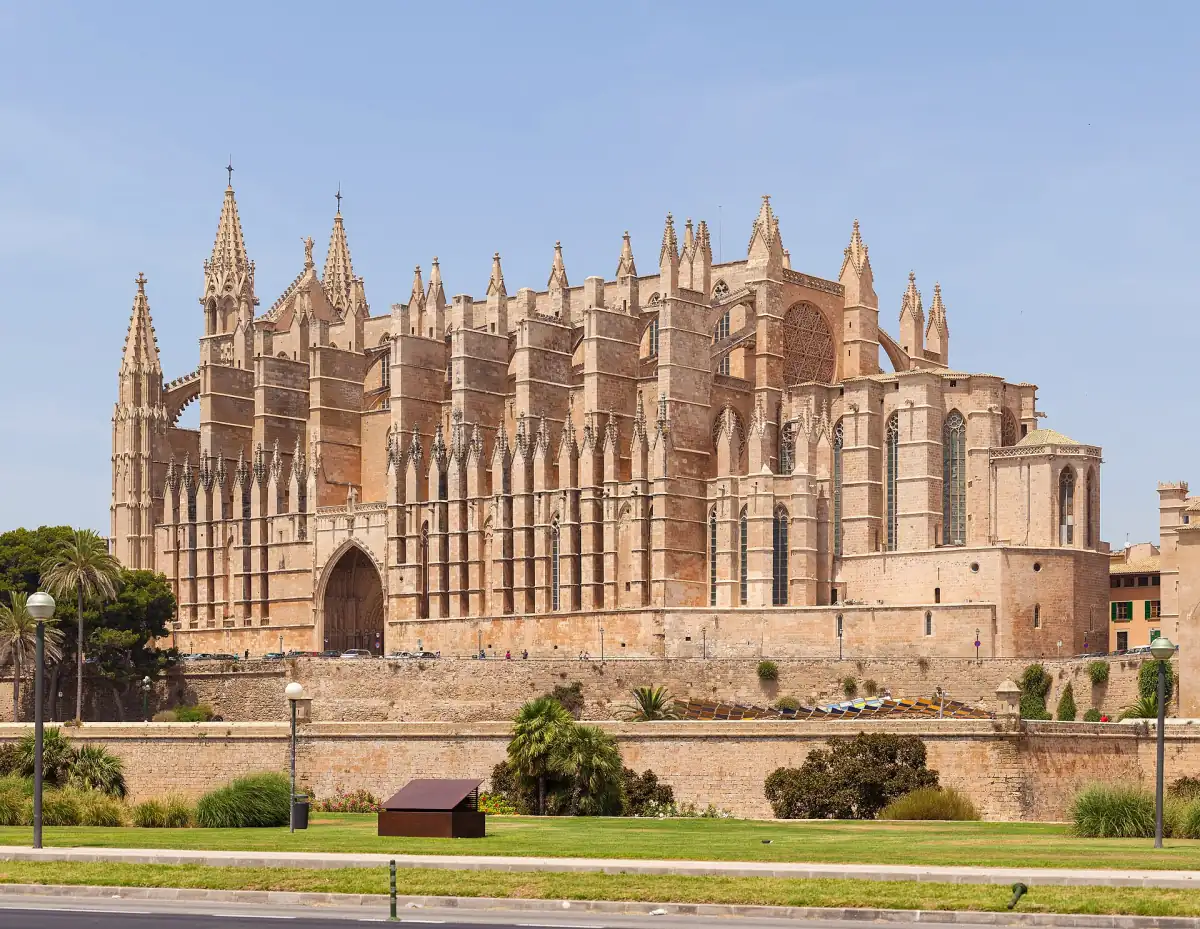
Palma Cathedral skip-the-line ticket
Entry to the cathedral without queuing at the ticket office. The terraces are only included with the matching option.
Check availability →Mallorca tours and day trips
Boat trips, caves, island tours and city tickets, with live prices and availability.
Villages, caves and mountain coast
Experiences 7 to 11: the Tramuntana, the east and the north.
7. Valldemossa and the Carthusian monastery
A village in a mountain valley with terraced slopes. The charterhouse costs €12.50, or €15.50 with the tower, and €8.50 for students. Hours are Monday to Friday from 10:00 to 17:00 and Saturday from 10:00 to 16:00. A piano recital of about 15 minutes is included. Children up to 10 enter free on the tower ticket page. Bus 203 runs from Palma.
Valldemossa guide →8. Deià and Cala Deià
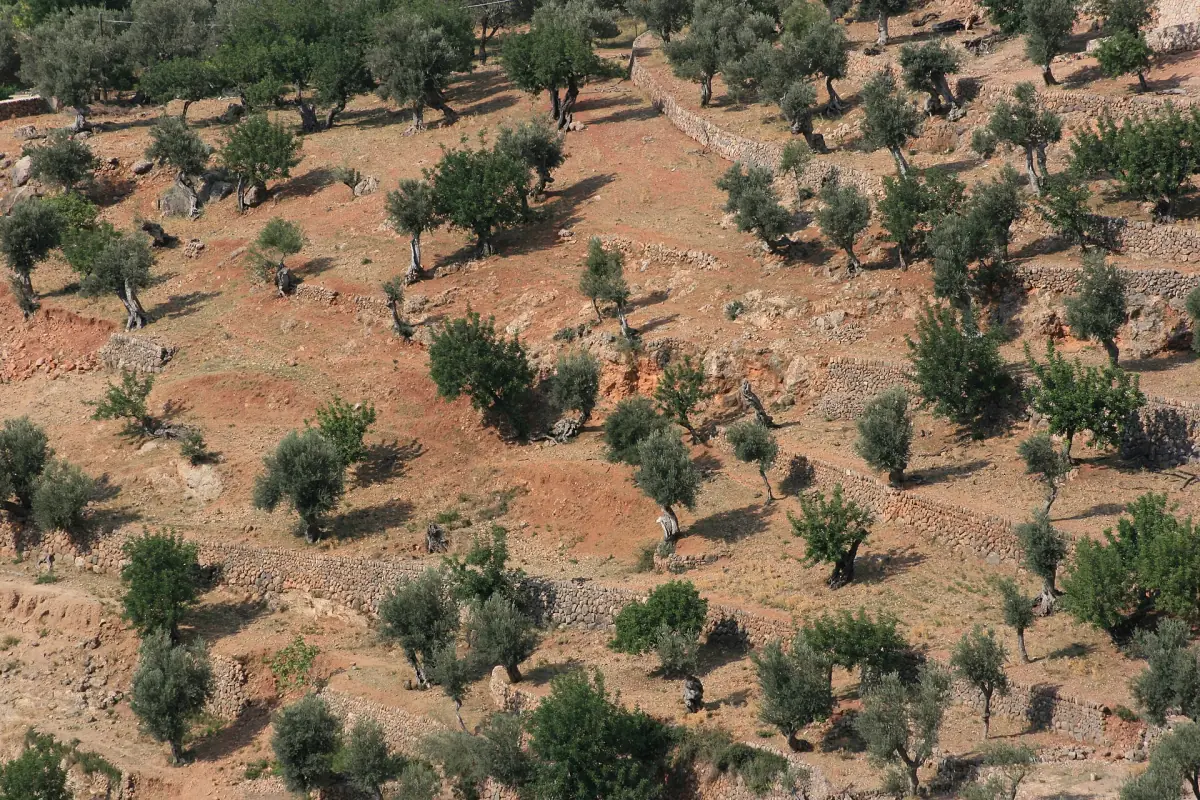
Olive terraces and lemon trees surround the village. The cove below is about 1.5 km on foot from the village, a stone and coarse-sand bay roughly 70 m long and 6 m wide. It is not a sandy beach, so bring water shoes. Bus 203 passes through Deià.
9. Caves of Drach
Tickets cost €18.50 online and €19.50 at the desk for ages 13 and over, and €11.50 online for children from 3 to 12. The visit lasts about an hour and includes a concert and the option to cross the underground lake by boat or on foot. From 16 March to 31 October tours start at 10:00, 11:00, 12:00, 14:00, 15:00, 16:00 and 17:00. Inside it stays between 17 and 21 °C.
Caves of Drach guide →10. Sa Calobra and the Torrent de Pareis
A serpentine road drops to the gorge mouth on the Ma-2141. The boat from Port de Sóller takes about an hour and costs €35 return for adults in 2026. Sailings depend on weather, and the operator asks you to confirm the day before. The full gorge walk is a serious route with climbing sections and slippery rock; do not start in rain or storm warnings.
Sa Calobra guide →11. Cap de Formentor
The lighthouse sits at the end of the Ma-2210 from Port de Pollença. In 2026 the road was regulated from 15 May to 18 October, daily from 10:00 to 22:00. The lighthouse section from km 8.7 to km 19.6 was closed to private vehicles without authorisation in those hours. Bus 334 ran about every 35 minutes from Port de Pollença. Pedestrians and cyclists may pass.
Cap de Formentor guide →Beach, walls and nature park
Experiences 12 to 15: the south and the north-east.
12. Es Trenc
A long natural beach in a protected park, open to visitors around the clock. One parking operator charges €10 per car and day from April to October and €5 in winter. Dunes are off limits, fires and camping are banned, and dogs are not allowed on the beach from March to October. Buses 508 and 518 serve sa Ràpita, and 517 serves Colònia de Sant Jordi.
Es Trenc guide →13. The old town and walls of Alcúdia
The medieval walls date from the 14th century and have 26 towers. The walk along the top is described as free, though not every stretch is open at all times. The old town is pedestrian-friendly and sits a short distance from the harbour and the bay.
Alcúdia guide →14. Roman Pol·lèntia
The Roman town outside Alcúdia, with its theatre, costs €4 in 2026. The summer sheet lists Monday and Sunday 9:00 to 15:00, Tuesday to Thursday 9:00 to 19:00 and Friday and Saturday 9:00 to 13:00, closed on holidays, with last entry one hour before closing. Check the winter hours before an off-season visit.
15. Mondragó Natural Park
A protected area at Santanyí with access points at ses Fonts de n'Alis and s'Amarador. The visitor point at ses Fonts de n'Alis opens from 9:00 to 16:00. Five marked routes take 15 to 60 minutes. Fires and drones are banned, and dogs must be on a lead and kept off the beach. In season, bus 521 runs from Cala d'Or via Portopetro to Cala Mondragó.
Next steps
Turn the list into days with Mallorca activities such as a boat trip, the caves or the train.
Mallorca attractions by area
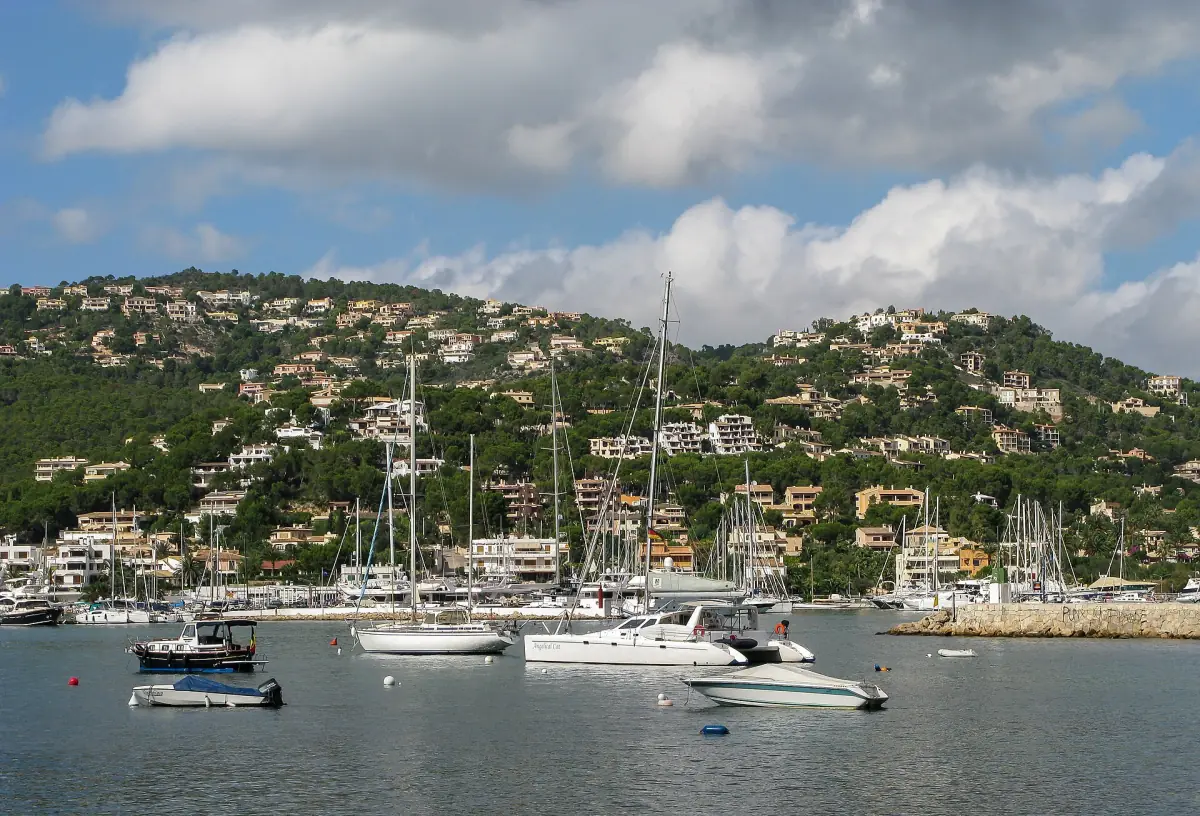
Most Mallorca tourist attractions fall into four areas: Palma for the cathedral, the Almudaina palace and Bellver castle; the Tramuntana for the Sóller train, Valldemossa and Deià; the east for the Caves of Drach; and the north and south for Alcúdia, Formentor and Es Trenc. Grouping the places this way keeps the driving short.
What to see in Palma
For a first day in Palma, Mallorca, walk from La Seu (€11 with the diocesan museum) to the Almudaina palace opposite (€8) and on through the old town around Plaça Major. Bellver castle (€4) sits above the city and works as a second half-day.
Best places in Mallorca for a first visit
The best places in Mallorca are a matter of taste, so this is an editorial pick and not a ranking. A short Mallorca must see list for a first trip: Palma, the Sóller train with the tram to the port, the Caves of Drach for a timed underground visit, and Es Trenc for a natural beach.
Majorca in April and the summer months
April in Palma is mild rather than hot. The long-term averages (1981 to 2010) give temperatures in Palma of 19.2 °C by day and 11.7 °C at night, with 39 mm of rain. From April the cathedral is open Monday to Friday from 10:00 to 17:15 and Bellver castle from Tuesday to Saturday from 10:00 to 19:00, and the Caves of Drach run seven tours a day from 16 March, so sightseeing works well in spring.
Majorca in June
June averages 26.5 °C by day and 18.9 °C at night, with 11 mm of rain. Majorca in July is hotter and drier still, with highs of 29.4 °C and 6 mm of rain, the driest month in the series. These are long-term averages, not a forecast. Inside the Caves of Drach it stays between 17 and 21 °C, which suits the hottest part of the day.
Things to do in Mallorca: frequently asked questions
What should I see first in Mallorca?
Palma is the natural start: the cathedral, the Almudaina palace and the old town are close together. Add a day in the Tramuntana with the Sóller train and Valldemossa, and a coast day to the caves or Es Trenc.
How many days do I need?
Three days cover Palma and one mountain day. A week lets you add the caves, a boat trip and a beach day. The island is larger than it looks, so avoid crossing it twice in one day.
Which sights can I see without a car?
Palma, the Sóller train and tram, Valldemossa and Deià by bus 203, and Es Trenc by bus to sa Ràpita or Colònia de Sant Jordi. Check current timetables, since lines change with the season.
Is the list ranked?
No. It is an editorial selection of fifteen places, ordered by area, not an official ranking.
Are prices on this page current?
They are the adult prices published for 2026 where one exists. Opening hours and prices can change, so check the venue before you go.